


IP67 Waterproof Lithium Battery
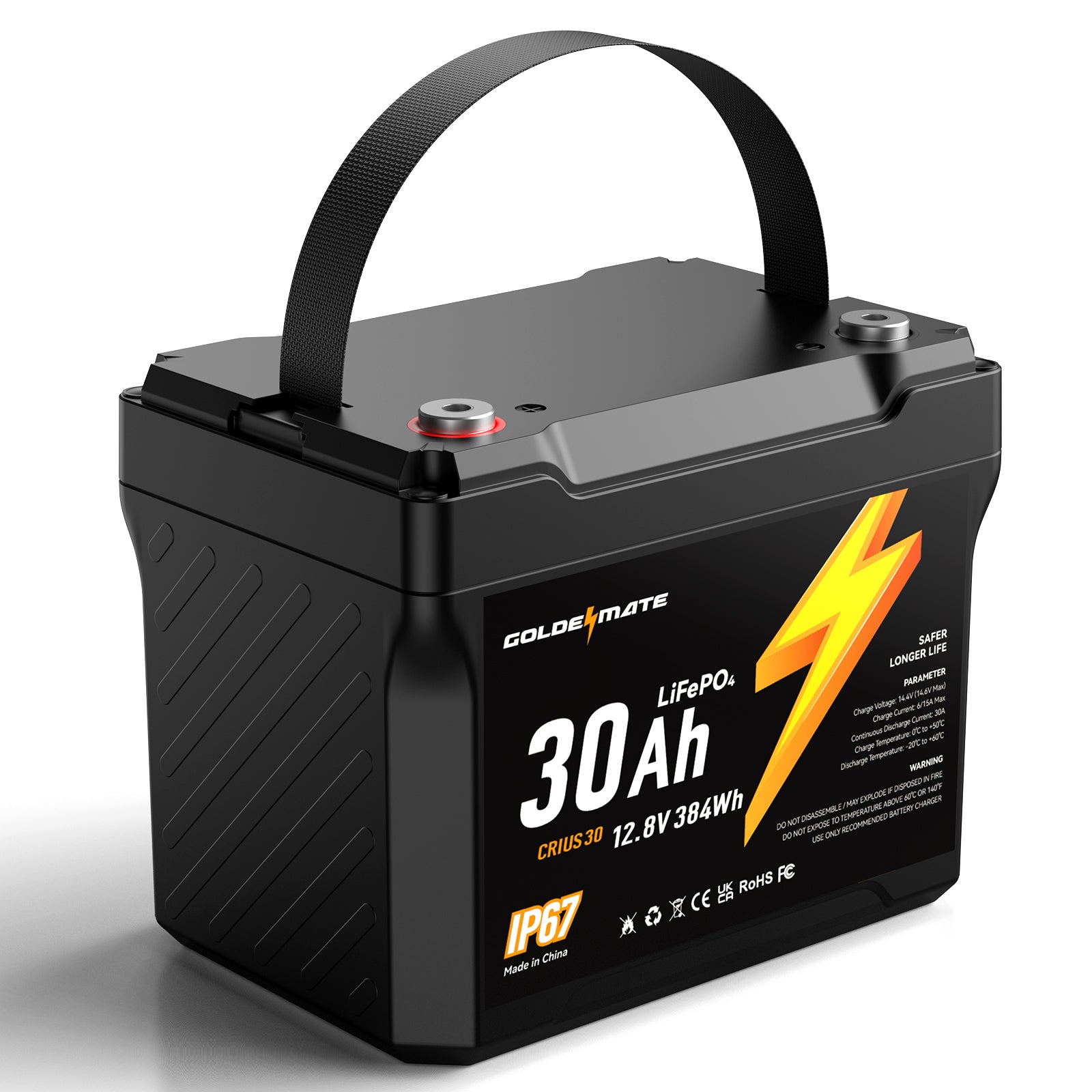
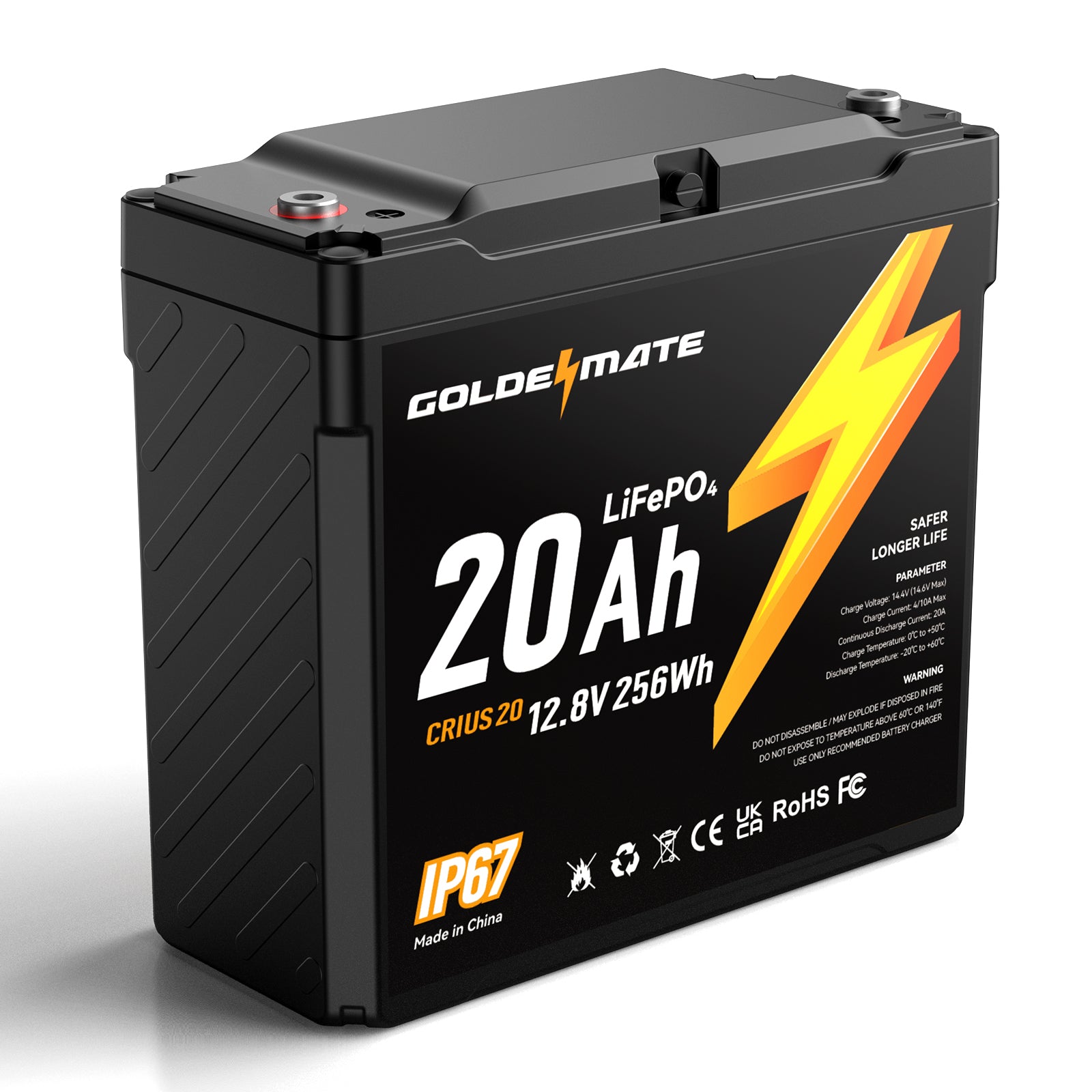
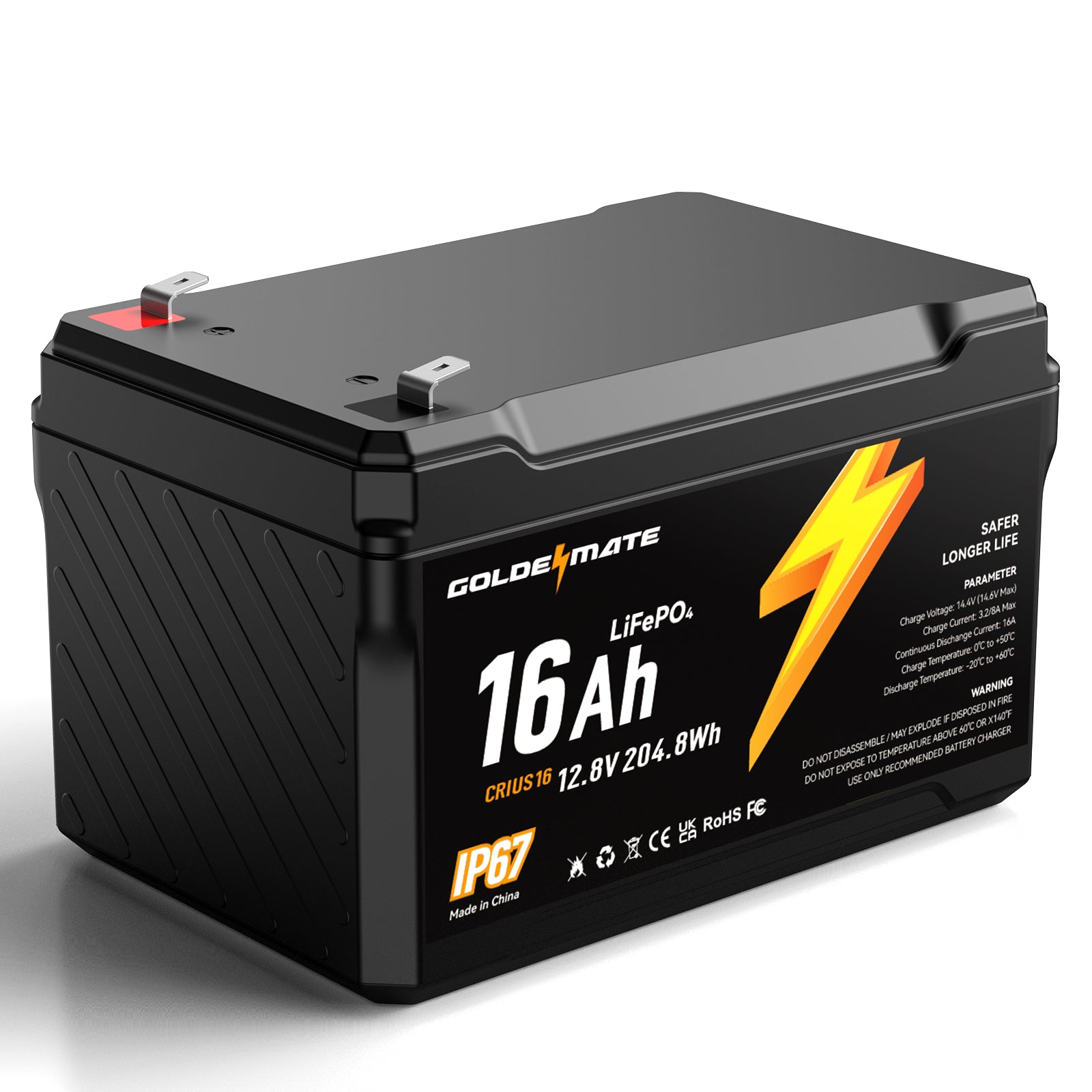
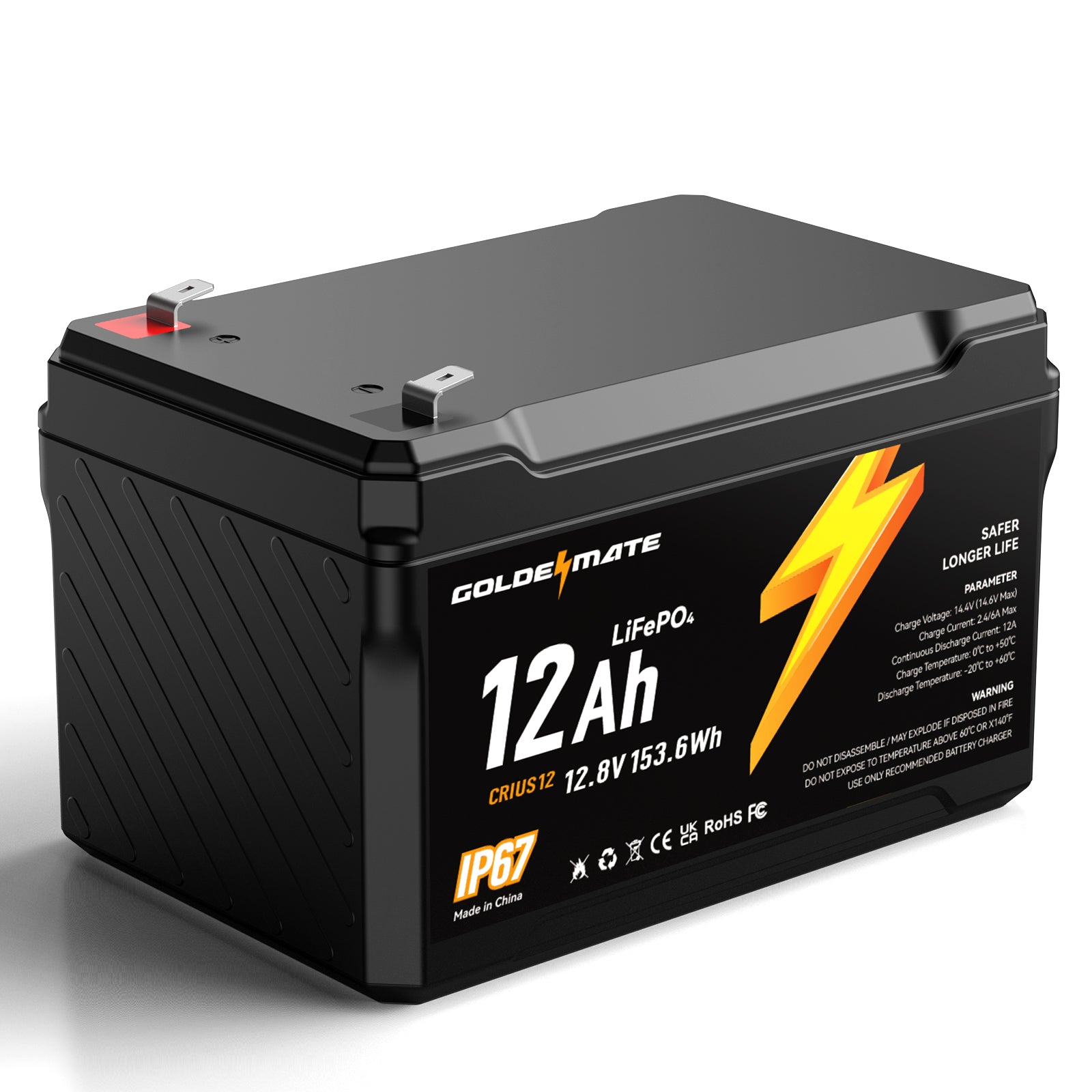
LiFePO4 battery questions and practical answers
Compare capacity, current, fit, charging, and installation before you choose.
How do I choose the right battery capacity?
Start with the energy your equipment needs, not amp-hours alone. Multiply battery voltage by capacity in Ah to find nominal energy in Wh, then allow for inverter loss, wiring loss, temperature, and reserve capacity. Choose a larger battery when the required runtime or load is uncertain.
How can I calculate approximate runtime?
Divide usable battery energy in Wh by the load in watts, then account for system efficiency. Startup surge, inverter idle draw, temperature, battery age, and the BMS cutoff can reduce actual runtime, so use the result as a planning guide rather than a guaranteed operating time.
What does continuous discharge current mean?
Continuous discharge current is the maximum current the battery and its BMS are designed to supply continuously under the specified conditions. It is not a runtime rating. Check both the continuous current and startup surge of your equipment, inverter, motor, or other load before choosing a battery.
What charger should I use with a 12V LiFePO4 battery?
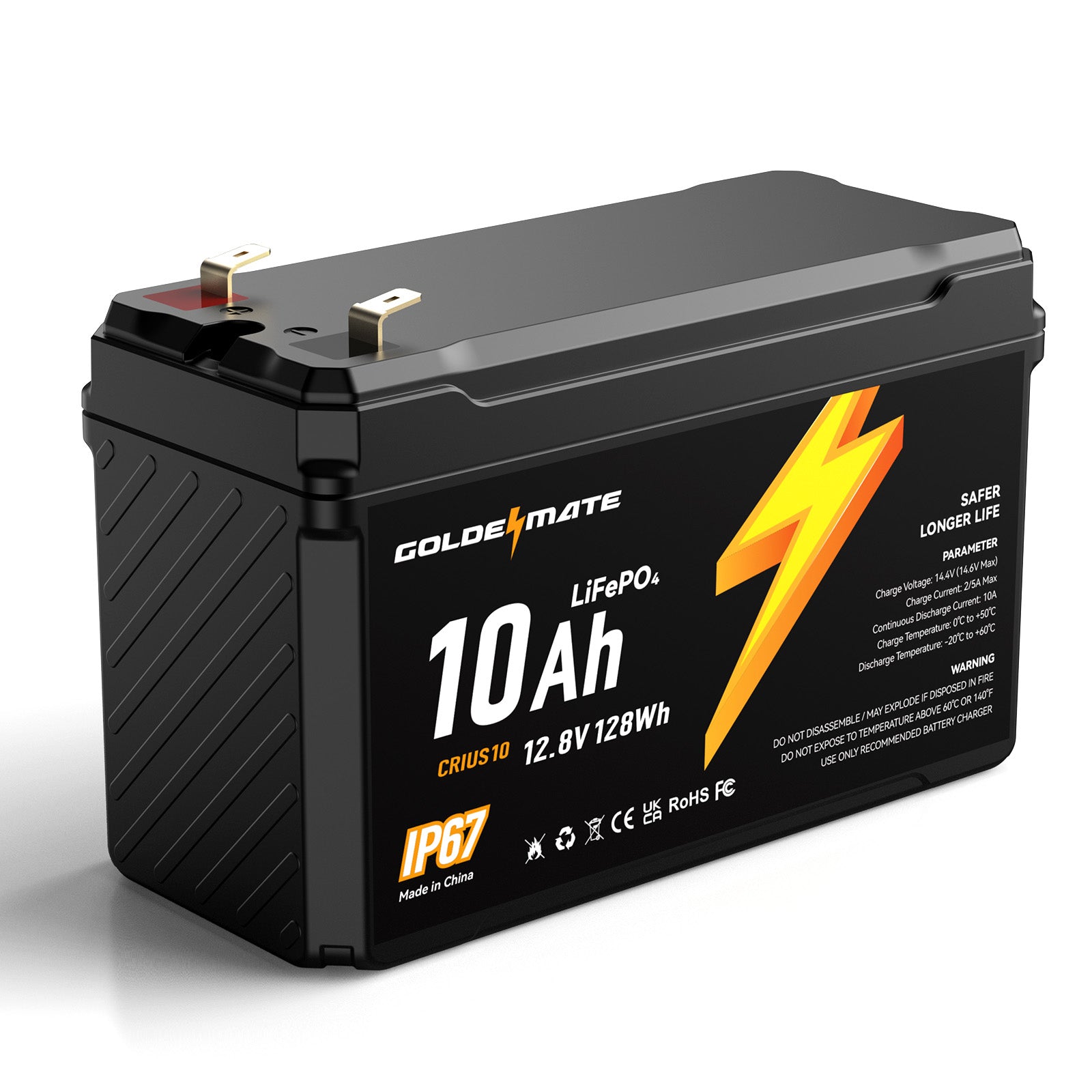
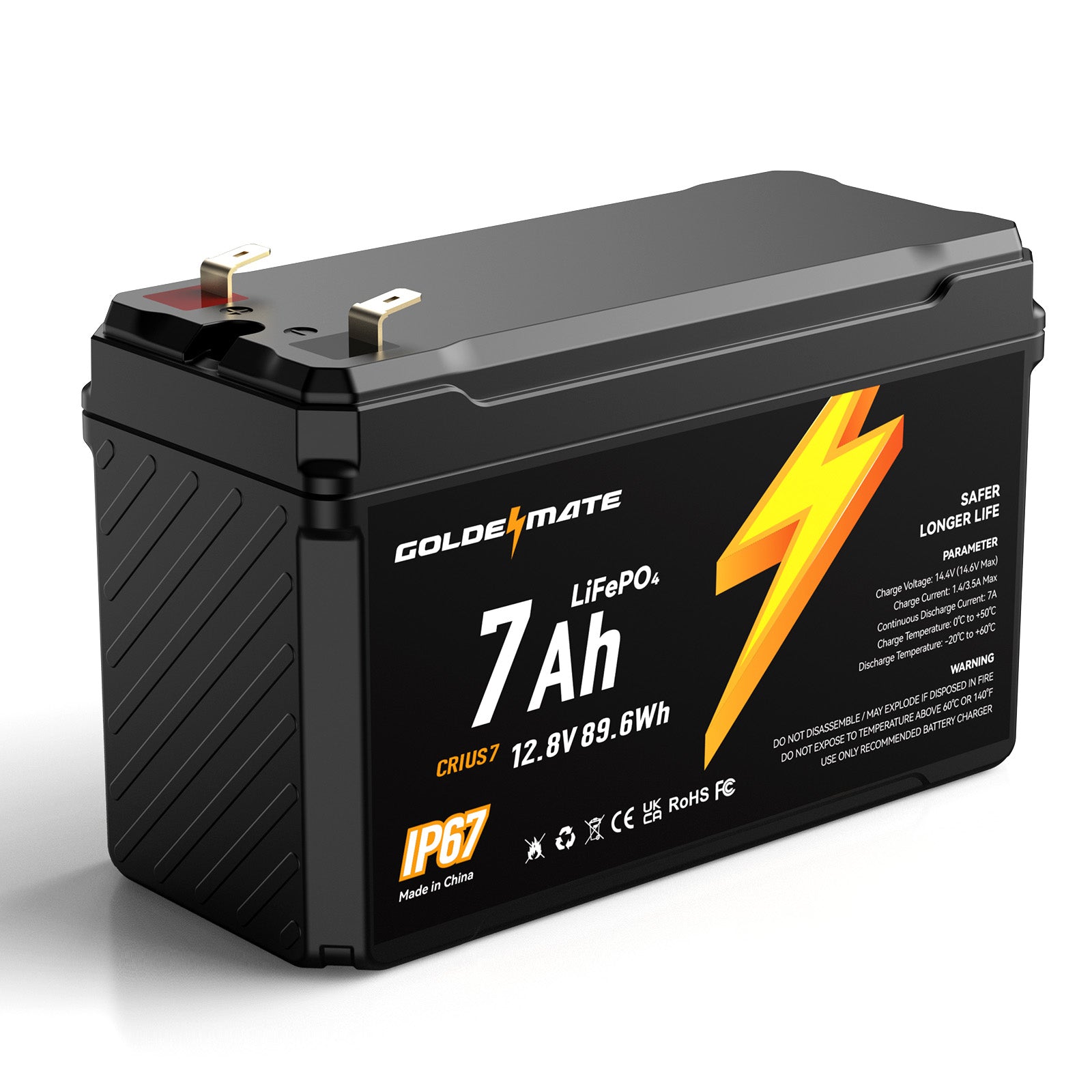
Use a charger with a LiFePO4 charging profile that matches the battery voltage and stays within the model's maximum charge current. GoldenMate manuals for 12.8V models specify a dedicated 14.4V LiFePO4 charger. Always follow the charging limits in the manual for the exact battery you purchase.
Can I replace a lead-acid battery with LiFePO4?
Many systems can be converted, but a LiFePO4 battery is not a universal drop-in replacement. Confirm that the charger, alternator, or solar controller supports LiFePO4, and check voltage range, physical dimensions, terminal type, maximum current, cable size, and fuse protection before installation.
Can I connect these batteries in series or parallel?
Only connect batteries in series or parallel when the specific model's product page and manual explicitly allow it. Use matching batteries with the same model, capacity, age, and state of charge, and follow the required wiring and fuse instructions. Do not mix different battery models or chemistries.
Can I charge a LiFePO4 battery below 0°C?
Do not charge below 0°C unless the exact battery explicitly includes compatible low-temperature charging protection or heating and its manual permits charging in those conditions. Discharge and storage temperature limits can be different, so check the model-specific manual before cold-weather use.
What does the built-in BMS protect against?
The Battery Management System monitors the battery and can disconnect it when a protection limit is reached. Protection functions vary by model and may include overcharge, over-discharge, overcurrent, short circuit, and temperature protection. A BMS does not replace correct wiring, external fuse protection, or safe installation.
Why do dimensions and terminal type matter?
Two batteries with similar capacity may have different case sizes, terminal types, and terminal positions. Compare the listed dimensions with your battery tray or enclosure, then confirm cable-lug compatibility, polarity, ventilation clearance, and access before ordering.